
R
programming
First steps with R
Learn R from scratch! Install R, use RStudio, perform basic stats, and create visualizations in just 4 hours. Perfect for beginners!
Constructive alignment - Dec 16 2025 - Dec 31 2029

The Chemoinformatics microMOOCs were created within the framework of the Erasmus Mundus Joint Master’s Degree Programme – Chemoinformatics+, with the goal of promoting and expanding access to education in the rapidly evolving field of chemoinformatics. These short, focused courses are designed to provide learners with essential knowledge and skills, ranging from molecular representations and chemical databases to machine learning applications and molecular modeling.
Chemoinformatics plays a central role in modern chemistry, pharmaceutical research, and materials science by bridging the gap between chemical data and computational analysis. By delivering high-quality, modular content online, the microMOOCs support both students and professionals in acquiring foundational and advanced competencies—at their own pace and from anywhere in the world.
Hosted on the ECTNMOOCs platform, which is based on the open-source Open edX technology, these microMOOCs are part of a broader educational strategy to foster interdisciplinary learning, encourage digital innovation in chemistry education, and build a global community of chemoinformatics learners and educators.
Whether you are new to chemoinformatics or seeking to deepen your expertise, these microMOOCs offer a flexible and interactive way to engage with cutting-edge concepts and tools shaping the future of chemical sciences.
This set of microMOOCs introduces basic programming in Python and R tailored for chemoinformatics. You'll explore variables, loops, data handling, and visualizations using real chemical data. No prior experience is needed—these short courses build a strong foundation for further chemoinformatics studies.
Learn R from scratch! Install R, use RStudio, perform basic stats, and create visualizations in just 4 hours. Perfect for beginners!
Applicative Chemoinformatics focuses on using data, models, and molecular representations to solve real-world chemistry problems. It supports medicinal chemistry (hit finding, lead optimization, ADMET), materials design (polymers, catalysts, batteries), and property prediction, enabling faster discovery through virtual screening, QSAR/ML, and reproducible computational workflows.
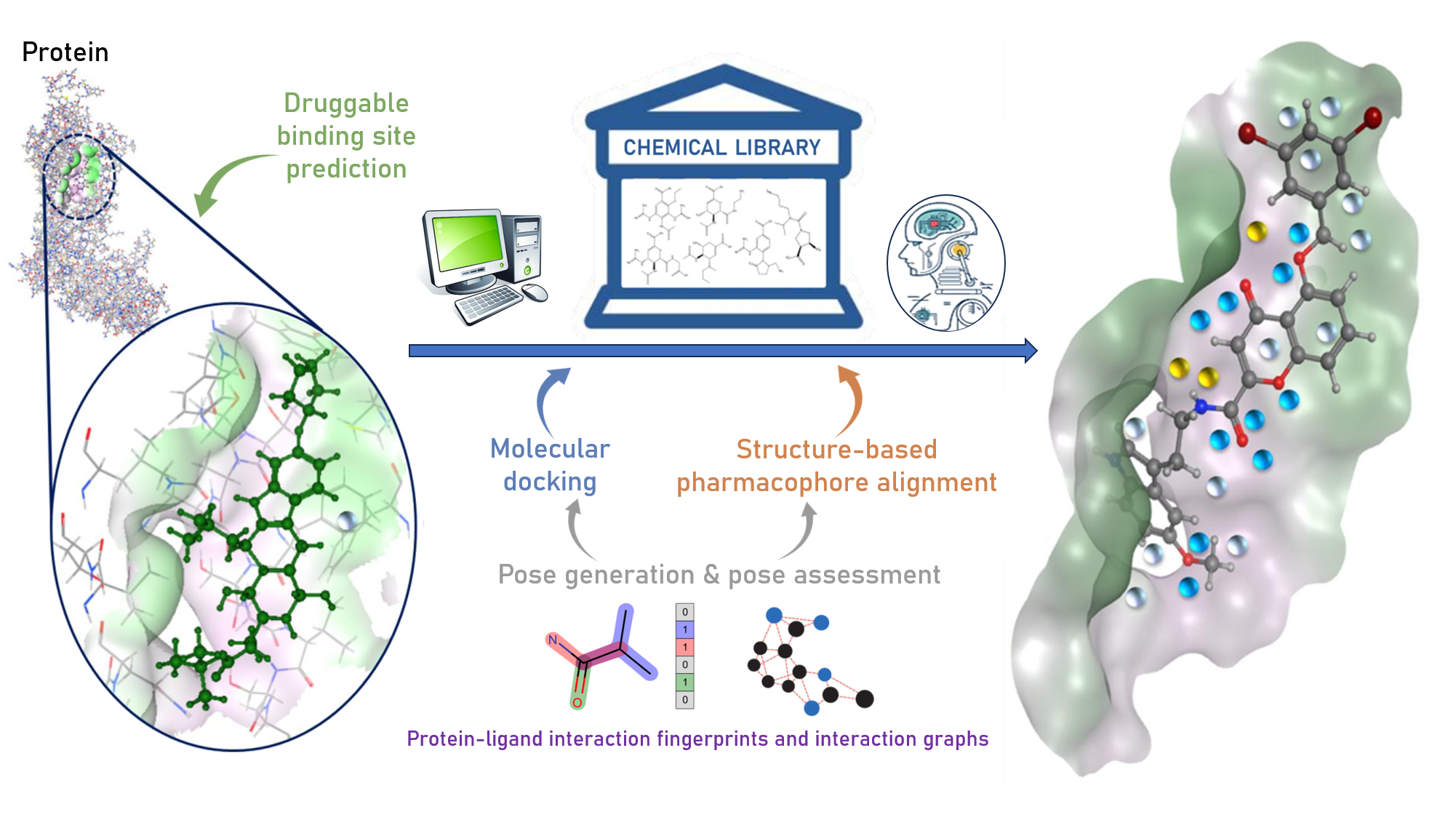
Learn the basics of medicinal chemistry: structure-pharmacokinetics relationship, metabolism, hit-to-lead optimization for safer, more effective drugs
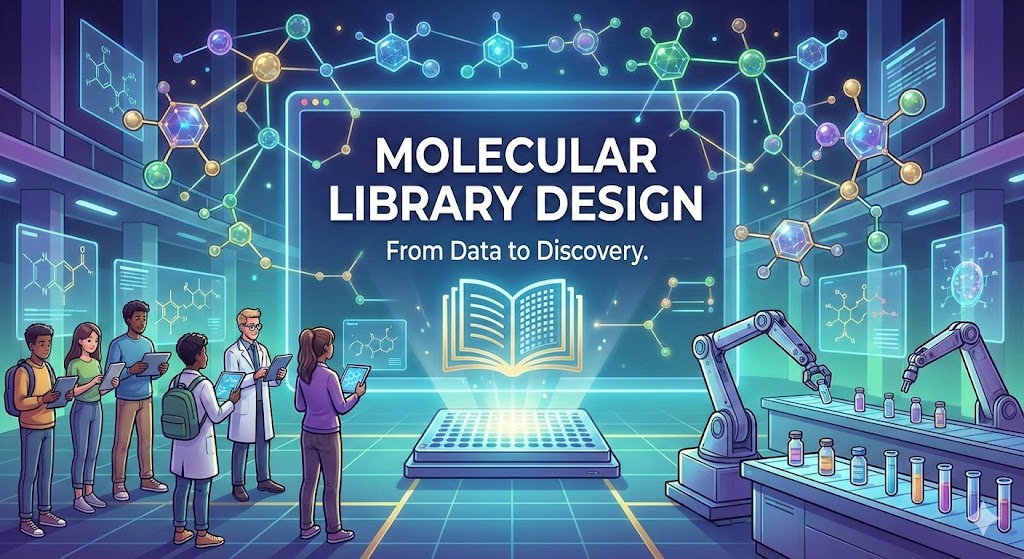
Learn how to design and evaluate small-molecule libraries for discovery—from clean data to smart selection, ADME basics, and plate-ready feasibility.
